

AMD Symptoms vs. Normal Aging Vision Changes

AMD Symptoms vs. Normal Aging Vision Changes
It is normal for your vision to change as you get older, and most of these changes are harmless. However, some changes may indicate a more serious issue, such as age-related macular degeneration (AMD). Being able to tell the difference could help protect your eyesight.
Normal Aging Vision Changes
As you get older, your eyes go through changes that can affect your vision. The changes usually happen slowly and similarly in both eyes. While they can be annoying, they are rarely a sign of an eye disease.
- Presbyopia
Sometime after age forty, the lens inside the eye will begin to stiffen. Near objects will start becoming harder to focus on. Reading glasses, bifocals, or multifocal lenses can help with this. It happens to everyone as they age.
- Need for More Light
The older you get, the smaller your pupils will grow. Also, the lens in your eye will start becoming more yellow. This means less light reaches the back of your eye. You might notice you need brighter lights for reading or that driving at night is more difficult. These changes happen slowly and are normal.
- Reduced Contrast Sensitivity
A reduction in contrast sensitivity will mean that colors will look less bright than they used to. Gray text on a light background can appear faded, and it may be harder to spot a curb or step if it blends into the ground. These changes develop slowly over many years.
- Floaters
If you notice tiny specks or cobweb-like shapes drifting across your vision, then you have floaters. These harmless clumps of gel inside your eye appear slowly and hardly ever increase drastically. These are just a normal part of aging.
AMD Symptoms to Watch for
Age-related macular degeneration (AMD) affects the macula, which is the center of your retina. It does not change your side vision, but it can seriously affect what you see straight ahead. The symptoms of AMD differ from those of normal aging changes.
- Straight Lines Look Wavy
Seeing straight lines that look wavy is one of the earliest and most important signs of AMD. For example, a door frame, a row of tiles, or a line of text might appear bent or distorted. Normal aging does not cause this. If you notice straight lines suddenly appear wavy, contact your eye doctor immediately.
- A Dark or Blurry Spot in the Center
Unlike with normal aging, where things look a little less sharp, AMD creates a smudge or blank spot right in the center of your vision. This will make it hard to recognize faces, and words will disappear in the middle of a sentence as you look at them. This is not just a slow dimming; it is an actual gap in what you can see.
- Rapid Loss of Central Vision
Normal aging changes happen over many years. AMD, especially the wet type, can get worse much more quickly. Your vision might decline over days or weeks instead of decades. If you suddenly have trouble seeing fine details, get medical help right away.
- Colors Look Faded or Dull
With normal aging, colors may lose some vibrancy because the lens yellows. In AMD, the retina itself is damaged. Colors can seem washed out or hard to distinguish. This often goes with the blurry central spot.
When to See a Doctor
If you are over fifty, getting a comprehensive eye exam every year is the best way to catch AMD early. Many early signs are not noticeable to you, but an eye doctor can spot them during a dilated exam.
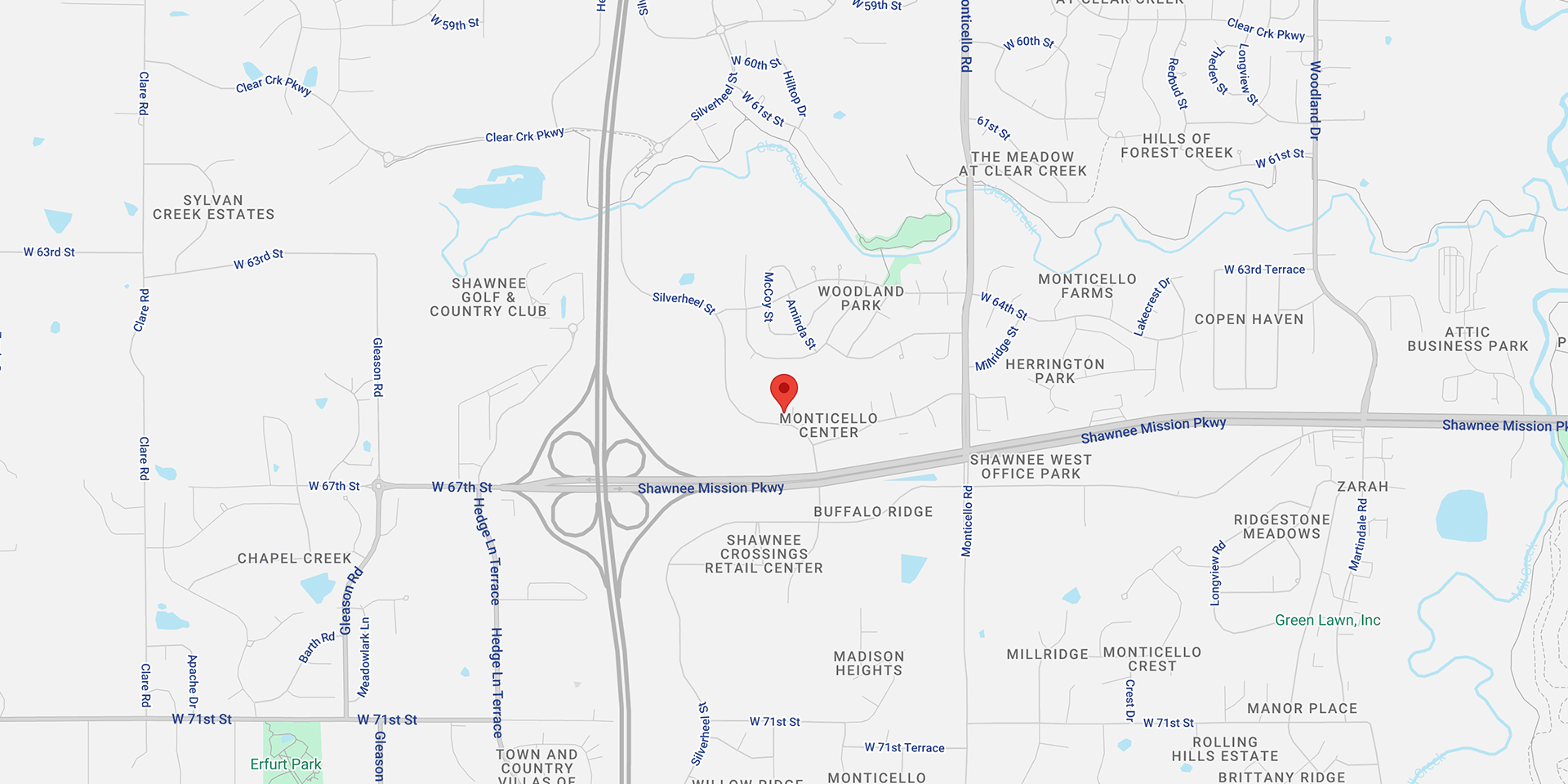
To learn more about AMD and normal vision changes as you age, visit Vision Care Associates. We are in Shawnee, Kansas. Call (913) 733-1700 to schedule your appointment.
https://my.clevelandclinic.org/health/diseases/15246-macular-degeneration

MAP

© 2026 Vision Care Associates | All Rights Reserved. Accessibility Statement - Privacy Policy - Sitemap
Powered by: 